

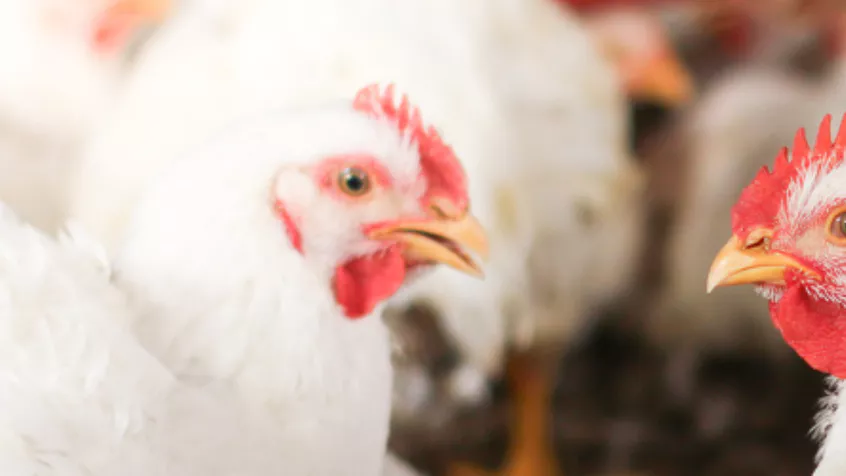
How to Improve Feed Intake and Feed Conversion Ratio (FCR) in Broiler Chickens
Why Feed Intake Matters in Modern Broiler Production
Feed represents up to 70% of poultry production costs, making feed intake and feed conversion ratio (FCR) two of the most important performance indicators for broiler farmers. When birds consume the right amount of feed and convert nutrients efficiently into body weight, producers benefit from:
Faster growth rates
Better flock uniformity
Lower production costs
Improved profitability
Higher market weights
Stronger resilience during heat stress and disease challenges
Whether you operate a commercial poultry farm in Nigeria, Ghana, Kenya, Egypt, South Africa, or another growing poultry market, optimizing feed intake is essential for maximizing return on investment.
Understanding Feed Intake and Efficiency
What is Feed Intake?
Feed intake refers to the amount of feed consumed by broiler chickens during a specific period.
What is Feed Efficiency?
Feed efficiency measures how effectively broilers convert feed into body weight. It is commonly expressed as the Feed Conversion Ratio (FCR).
FCR Formula:
Feed Consumed ÷ Weight Gain = FCR
Key Factors That Affect Feed Intake in Broilers
1. Feed Quality and Nutritional Value
Broilers are highly responsive to feed quality. Poor-quality feed can reduce appetite, slow growth, and increase production costs.
Important nutritional factors include:
Protein quality
Amino acid balance
Energy levels
Vitamin and mineral content
Pellet durability
Feed freshness
Well-formulated diets encourage higher feed consumption and better weight gain.
The lower the FCR, the more efficiently birds convert feed into meat.
2. Environmental Conditions
Environmental stress can dramatically reduce feed consumption.
Key factors include:
High temperatures
Poor ventilation
Excess humidity
High ammonia levels
Inadequate lighting
Noise and disturbances
Heat stress is particularly challenging in tropical and subtropical climates, where broilers often reduce feed intake to regulate body temperature.
3. Bird Health and Gut Function
Healthy birds eat more and utilize nutrients more effectively.
Challenges that reduce feed efficiency include:
Bacterial infections
Coccidiosis
Intestinal parasites
Gut inflammation
Poor biosecurity
A healthy digestive system is essential for maximizing nutrient absorption and growth performance.
4. Genetics and Breed Potential
Modern broiler genetics are designed for rapid growth and efficient nutrient utilization. However, even high-performing breeds require proper nutrition and management to achieve their full potential.
5. Farm Management Practices
Management directly impacts feed consumption.
Best practices include:
Providing clean, fresh drinking water
Maintaining correct feeder space
Distributing feed evenly
Monitoring litter quality
Reducing competition within the flock
6 Proven Ways to Increase Feed Intake and FCR
1. Use High-Quality Broiler Feed
Successful broiler production starts with balanced nutrition.
Focus on:
Digestible protein sources
Balanced amino acids
Quality energy ingredients
Durable pellets
Age-appropriate particle size
Fresh feed with consistent nutrient levels encourages steady consumption and optimal growth. Store feed in cool, dry, and protected conditions to preserve nutritional quality, prevent spoilage, and maintain feed palatability throughout the production cycle.
Feeding frequency should be adjusted according to bird age, growth stage, and production goals. Consistent feeding schedules help encourage feed intake and reduce feed wastage.
2. Ensure Unlimited Access to Clean Water
Water intake drives feed intake.
A shortage of clean water can immediately reduce feed consumption and negatively impact flock performance.
Producers should:
Clean drinker systems regularly
Maintain adequate water pressure
Monitor water quality
Ensure unrestricted access throughout the production cycle
3. Reduce Heat Stress
Heat stress is one of the leading causes of poor feed intake worldwide.
Strategies include:
Improving airflow
Optimizing ventilation
Providing cooling where possible
Managing stocking density
Supporting electrolyte balance during hot periods
Maintaining comfort helps birds continue eating and growing even during challenging weather conditions.
Well-managed lighting schedules can also encourage feeding activity, support bird welfare, and contribute to improved growth performance, particularly during periods of environmental stress.
4. Improve Gut Health
A healthy intestinal environment improves:
Nutrient digestibility
Feed efficiency
Weight gain
Disease resistance
Gut health programs can support stronger performance and lower production losses.
5. Strengthen Biosecurity
Preventing disease is often more cost-effective than treatment.
Effective biosecurity measures include:
Visitor control
Sanitation protocols
Vaccination programs
Rodent control
Regular health monitoring
Healthy birds consistently achieve better FCR and growth rates.
Regular parasite monitoring and control programs are equally important, as intestinal parasites can reduce nutrient absorption, impair growth, and negatively affect feed conversion efficiency.
6. Monitor Performance Data Weekly
Successful producers continuously monitor:
Feed intake
Average daily gain
Feed Conversion Ratio (FCR)
Mortality
Water consumption
Early detection of performance changes allows for faster corrective action and better results.
Feed Solutions That Support Broiler Performance
Champrix develops nutritional solutions designed to support gut health, feed efficiency, and bird performance.
Champ-Acid
Supports a healthy digestive environment and helps improve nutrient utilization.
Heat-Champ
Designed to help maintain broiler performance during heat stress conditions by supporting electrolyte balance and feed intake.
Champrix Concentrates
Provide concentrated nutritional support with carefully selected raw materials and protein sources for balanced broiler diets.
Why Poultry Producers Worldwide Choose Champrix
Champrix partners with:
Feed mills
Poultry integrators
Distributors
Commercial farms
Across Africa, the Middle East, Asia, and other fast-growing poultry markets.
Our portfolio includes:
Concentrates
Premixes
Prestarter feeds
Acidifiers
Toxin binders
Milk replacers
Specialty nutritional solutions
By combining technical expertise with practical field experience, we help producers improve feed efficiency, support animal health, and increase profitability throughout the production cycle.
Talk to a Champrix Poultry Nutrition Specialist
Looking to improve broiler feed intake, reduce FCR, or overcome heat stress challenges on your farm?
Contact the Champrix team to discover how our feed solutions can help you achieve healthier birds, stronger growth performance, and better returns on every production cycle.
Why Feed Intake Matters in Modern Broiler Production
Feed represents up to 70% of poultry production costs, making feed intake and feed conversion ratio (FCR) two of the most important performance indicators for broiler farmers. When birds consume the right amount of feed and convert nutrients efficiently into body weight, producers benefit from:
Faster growth rates
Better flock uniformity
Lower production costs
Improved profitability
Higher market weights
Stronger resilience during heat stress and disease challenges
Whether you operate a commercial poultry farm in Nigeria, Ghana, Kenya, Egypt, South Africa, or another growing poultry market, optimizing feed intake is essential for maximizing return on investment.
Understanding Feed Intake and Efficiency
What is Feed Intake?
Feed intake refers to the amount of feed consumed by broiler chickens during a specific period.
What is Feed Efficiency?
Feed efficiency measures how effectively broilers convert feed into body weight. It is commonly expressed as the Feed Conversion Ratio (FCR).
FCR Formula:
Feed Consumed ÷ Weight Gain = FCR
Key Factors That Affect Feed Intake in Broilers
1. Feed Quality and Nutritional Value
Broilers are highly responsive to feed quality. Poor-quality feed can reduce appetite, slow growth, and increase production costs.
Important nutritional factors include:
Protein quality
Amino acid balance
Energy levels
Vitamin and mineral content
Pellet durability
Feed freshness
Well-formulated diets encourage higher feed consumption and better weight gain.
The lower the FCR, the more efficiently birds convert feed into meat.
2. Environmental Conditions
Environmental stress can dramatically reduce feed consumption.
Key factors include:
High temperatures
Poor ventilation
Excess humidity
High ammonia levels
Inadequate lighting
Noise and disturbances
Heat stress is particularly challenging in tropical and subtropical climates, where broilers often reduce feed intake to regulate body temperature.
3. Bird Health and Gut Function
Healthy birds eat more and utilize nutrients more effectively.
Challenges that reduce feed efficiency include:
Bacterial infections
Coccidiosis
Intestinal parasites
Gut inflammation
Poor biosecurity
A healthy digestive system is essential for maximizing nutrient absorption and growth performance.
4. Genetics and Breed Potential
Modern broiler genetics are designed for rapid growth and efficient nutrient utilization. However, even high-performing breeds require proper nutrition and management to achieve their full potential.
5. Farm Management Practices
Management directly impacts feed consumption.
Best practices include:
Providing clean, fresh drinking water
Maintaining correct feeder space
Distributing feed evenly
Monitoring litter quality
Reducing competition within the flock
6 Proven Ways to Increase Feed Intake and FCR
1. Use High-Quality Broiler Feed
Successful broiler production starts with balanced nutrition.
Focus on:
Digestible protein sources
Balanced amino acids
Quality energy ingredients
Durable pellets
Age-appropriate particle size
Fresh feed with consistent nutrient levels encourages steady consumption and optimal growth. Store feed in cool, dry, and protected conditions to preserve nutritional quality, prevent spoilage, and maintain feed palatability throughout the production cycle.
Feeding frequency should be adjusted according to bird age, growth stage, and production goals. Consistent feeding schedules help encourage feed intake and reduce feed wastage.
2. Ensure Unlimited Access to Clean Water
Water intake drives feed intake.
A shortage of clean water can immediately reduce feed consumption and negatively impact flock performance.
Producers should:
Clean drinker systems regularly
Maintain adequate water pressure
Monitor water quality
Ensure unrestricted access throughout the production cycle
3. Reduce Heat Stress
Heat stress is one of the leading causes of poor feed intake worldwide.
Strategies include:
Improving airflow
Optimizing ventilation
Providing cooling where possible
Managing stocking density
Supporting electrolyte balance during hot periods
Maintaining comfort helps birds continue eating and growing even during challenging weather conditions.
Well-managed lighting schedules can also encourage feeding activity, support bird welfare, and contribute to improved growth performance, particularly during periods of environmental stress.
4. Improve Gut Health
A healthy intestinal environment improves:
Nutrient digestibility
Feed efficiency
Weight gain
Disease resistance
Gut health programs can support stronger performance and lower production losses.
5. Strengthen Biosecurity
Preventing disease is often more cost-effective than treatment.
Effective biosecurity measures include:
Visitor control
Sanitation protocols
Vaccination programs
Rodent control
Regular health monitoring
Healthy birds consistently achieve better FCR and growth rates.
Regular parasite monitoring and control programs are equally important, as intestinal parasites can reduce nutrient absorption, impair growth, and negatively affect feed conversion efficiency.
6. Monitor Performance Data Weekly
Successful producers continuously monitor:
Feed intake
Average daily gain
Feed Conversion Ratio (FCR)
Mortality
Water consumption
Early detection of performance changes allows for faster corrective action and better results.
Feed Solutions That Support Broiler Performance
Champrix develops nutritional solutions designed to support gut health, feed efficiency, and bird performance.
Champ-Acid
Supports a healthy digestive environment and helps improve nutrient utilization.
Heat-Champ
Designed to help maintain broiler performance during heat stress conditions by supporting electrolyte balance and feed intake.
Champrix Concentrates
Provide concentrated nutritional support with carefully selected raw materials and protein sources for balanced broiler diets.
Why Poultry Producers Worldwide Choose Champrix
Champrix partners with:
Feed mills
Poultry integrators
Distributors
Commercial farms
Across Africa, the Middle East, Asia, and other fast-growing poultry markets.
Our portfolio includes:
Concentrates
Premixes
Prestarter feeds
Acidifiers
Toxin binders
Milk replacers
Specialty nutritional solutions
By combining technical expertise with practical field experience, we help producers improve feed efficiency, support animal health, and increase profitability throughout the production cycle.
Talk to a Champrix Poultry Nutrition Specialist
Looking to improve broiler feed intake, reduce FCR, or overcome heat stress challenges on your farm?
Contact the Champrix team to discover how our feed solutions can help you achieve healthier birds, stronger growth performance, and better returns on every production cycle.

Expertise that Empowers
At Champrix, we offer extensive practical knowledge across a wide range of feed solutions. We go beyond expertise and actively guide our partners through every step of their journey.
READ MORE
Expertise that Empowers
At Champrix, we offer extensive practical knowledge across a wide range of feed solutions. We go beyond expertise and actively guide our partners through every step of their journey.
READ MORE

Expertise that Empowers
At Champrix, we offer extensive practical knowledge across a wide range of feed solutions. We go beyond expertise and actively guide our partners through every step of their journey.
READ MORE
Expertise that Empowers
At Champrix, we offer extensive practical knowledge across a wide range of feed solutions. We go beyond expertise and actively guide our partners through every step of their journey.
READ MORE
Expertise that Empowers
At Champrix, we offer extensive practical knowledge across a wide range of feed solutions. We go beyond expertise and actively guide our partners through every step of their journey.
READ MORE
Expertise that Empowers
At Champrix, we offer extensive practical knowledge across a wide range of feed solutions. We go beyond expertise and actively guide our partners through every step of their journey.
READ MORE
Expertise that Empowers
At Champrix, we offer extensive practical knowledge across a wide range of feed solutions. We go beyond expertise and actively guide our partners through every step of their journey.
READ MORE
Expertise that Empowers
At Champrix, we offer extensive practical knowledge across a wide range of feed solutions. We go beyond expertise and actively guide our partners through every step of their journey.
READ MORE
Expertise that Empowers
At Champrix, we offer extensive practical knowledge across a wide range of feed solutions. We go beyond expertise and actively guide our partners through every step of their journey.
READ MORE
Expertise that Empowers
At Champrix, we offer extensive practical knowledge across a wide range of feed solutions. We go beyond expertise and actively guide our partners through every step of their journey.
READ MORE
Expertise that Empowers
At Champrix, we offer extensive practical knowledge across a wide range of feed solutions. We go beyond expertise and actively guide our partners through every step of their journey.
READ MORE
Expertise that Empowers
At Champrix, we offer extensive practical knowledge across a wide range of feed solutions. We go beyond expertise and actively guide our partners through every step of their journey.
READ MORE

Contact us
Stay Updated!
Subscribe to our mailings and be the first to hear about the latest research, innovations, and expert tips from Champrix.






Follow us
Stay Updated!
Subscribe to our mailings and be the first to hear about the latest research, innovations, and expert tips from Champrix.
Contact us
Stay Updated!
Subscribe to our mailings and be the first to hear about the latest research, innovations, and expert tips from Champrix.
Follow us